
The construction industry is currently facing a huge challenge—balancing the relentless pace of development with the urgent need for environmental sustainability. The pressing issue of climate change and the depletion of natural resources demand innovative solutions that meet immediate construction needs and protect our planet for future generations.
At this critical point in time, limestone emerges as a valuable and promising building material for the construction industry. . Its natural abundance and minimal environmental footprint position limestone as a pivotal solution for sustainable construction practices. By leveraging the inherent qualities of limestone, the construction industry can take a significant stride toward resolving the conflict between growth and sustainability.
Limestone is a pillar of strength in the construction industry, known for its versatility, aesthetic appeal, and sustainable properties. This article delves into limestone’s role in shaping our built environment, economy, and path toward sustainable construction practices. We’ll explore the essence of limestone, its widespread application in construction projects, and the long-term implications of its use.
What Makes Limestone a Preferred Choice in Construction?
Limestone, a sedimentary rock primarily made of calcium carbonate, has been the backbone of construction projects for centuries—from the ancient pyramids of Egypt to the modern skyline of cities like New York. Its natural beauty and exceptional durability make it a favored material among architects and builders. But what exactly sets limestone apart from other building materials?
Its versatility is unmatched as limestone can be used in various forms, including limestone blocks for structural integrity, limestone tiles for flooring, and crushed limestone in concrete production. Furthermore, limestone’s refined grains allow for intricate carvings, lending timeless elegance to structures such as the Lincoln Memorial and the Great Sphinx.
Which Types of Limestone Are Used in Construction—and How Do They Measure Up?
Not all limestone performs the same way, so builders spec by type and by measurable properties rather than by looks alone.
Limestone is a family of stones, and the grade you choose depends on where it goes in a structure. As a rule, denser, lower-absorption limestones handle structural blocks and load-bearing masonry, mid-range grades suit cladding and flooring, and softer or more porous stone is crushed for aggregate and road base.
Across construction-grade limestones, the numbers that matter to engineers fall into fairly predictable ranges. Compressive strength for a well-regarded building limestone such as Indiana (Bedford) oolitic sits around 4,000–8,000 psi—strong enough for facades and structural blocks, though notably softer than granite, which runs near 19,000 psi. Density typically ranges from 2,300 to 2,700 kg/m³, water absorption from roughly 2% to 12% (lower is better for freeze-thaw and staining resistance), and hardness sits at about 3–4 on the Mohs scale. That relative softness is exactly what makes limestone easy to cut and carve while still standing up to decades of service.
When you match the stone to the property—low absorption and higher density for exposed structural work, easily worked grades for carved accents and interiors—limestone delivers durability that is measurable, not just marketed.
- Indiana / Bedford oolitic limestone
A fine, even-grained building stone favored for structural blocks, cladding, and carved detail; compressive strength around 4,000–8,000 psi with consistent quality across a bed. - Dolomitic limestone
Contains magnesium carbonate, generally denser and more durable with lower water absorption—well suited to load-bearing masonry and exposed exterior applications. - Travertine
A porous, banded limestone prized for flooring, tiles, and decorative surfaces; its open texture is often filled and honed for interior use. - Chalk (soft limestone)
A softer, more porous grade at the low end of the density and hardness range—better crushed for aggregate, filler, and cement feedstock than used as dimension stone.
What Are the Innovative Uses of Limestone in Modern Construction?
The construction industry constantly evolves, with new technologies and materials reshaping how we construct buildings. Despite its ancient roots, limestone has found new applications in modern construction. Beyond its traditional uses, limestone is now also being utilized in stone cladding to protect exterior walls, contributing to the structural integrity and aesthetic value of buildings. Additionally, advancements in processing techniques have expanded the possibilities for limestone’s use in construction, making it a more attractive option for builders seeking both durability and design flexibility.
Here are some of the innovative uses of limestone in modern construction:
-
- Stone Cladding: Protecting exterior walls, enhancing aesthetic appeal, and providing additional insulation.
- Landscaping and Outdoor Spaces: Employing limestone blocks and tiles for durable, natural-looking patios, garden paths, and outdoor seating areas.
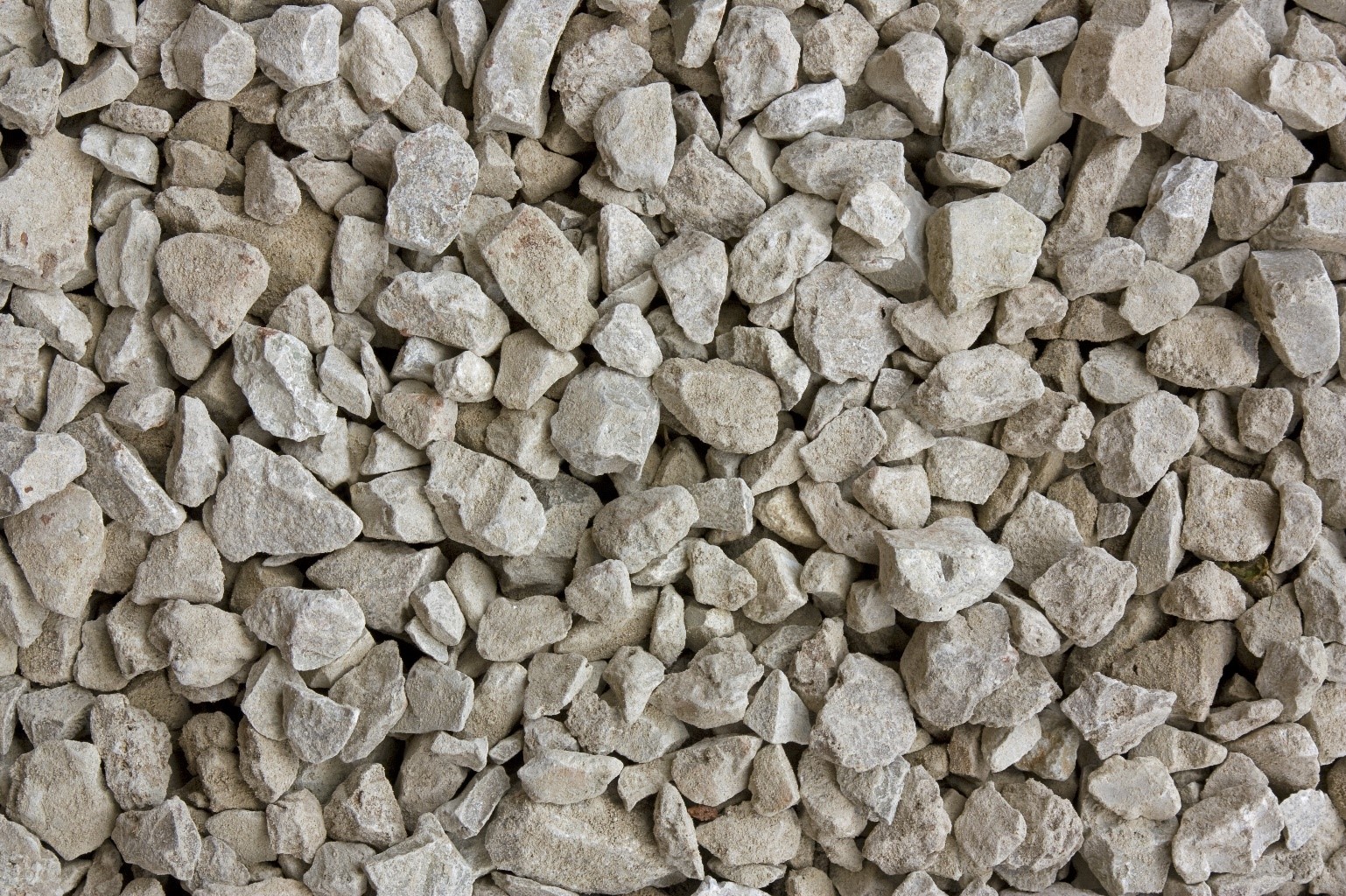
- Road Base and Filler Material: Pulverized limestone is used as a sturdy base for roads and as a filler material in asphalt paving and concrete mixes.
- Architectural Accents and Decor: Incorporating finely carved limestone into columns, facades, fireplace surrounds, and ornamental features for elegance.
- Environmentally Friendly Cement Production: Leveraging limestone in producing Portland-limestone cement reduces carbon emissions compared to traditional Portland cement.
- Acid Neutralization in Industrial Processes: Limestone is used in the chemical industry to neutralize acidic by-products, ensuring environmental compliance.
- Interior Flooring and Countertops: Selecting limestone tiles for flooring and slabs for countertops due to their unique patterns, textures, and colors.
- Restoration and Preservation of Historic Buildings: Choosing limestone for restoration projects can help maintain the authenticity and integrity of historical construction projects.
These applications highlight limestone’s role as a versatile and sustainable choice in modern construction projects, showcasing its ability to adapt to the demands of contemporary building practices while preserving its timeless appeal.
How Does Limestone Contribute to Sustainable Building Practices?
In an era where sustainability is paramount, limestone emerges as a frontrunner among sustainable building materials. But why is it considered a sustainable choice? Limestone is a natural stone product that does not require extensive processing or chemical treatments, reducing its environmental impact. Additionally, its ability to regulate temperature in buildings can lower cooling costs, creating a more comfortable indoor environment while conserving energy.
What Are the Disadvantages and Limitations of Limestone in Construction?
Limestone earns its place in construction, but a specialist plans around its weaknesses as carefully as its strengths. Here are the real limitations to weigh before specifying it.
Acid weathering and pollution damage
Because limestone is calcium carbonate, it dissolves slowly in acidic water. Acid rain and urban pollution can etch surfaces and blur carved detail over time, especially on exposed exterior stone.
High porosity and staining
With water absorption that can reach roughly 12% in porous grades, limestone readily takes up moisture, oils, and spills—leading to staining on floors and countertops unless it is properly sealed.
Freeze-thaw spalling
Absorbed water that freezes and expands can crack and flake the stone surface. In cold, wet climates this freeze-thaw cycling makes dense, low-absorption grades and good detailing essential.
Softness and scratching
At a Mohs hardness of about 3–4, limestone scratches and wears more easily than granite, so it is a weaker choice for heavy-traffic flooring or hard-use kitchen countertops.
Ongoing sealing and maintenance
To resist staining and moisture, limestone surfaces generally need periodic resealing—an added lifetime cost that harder stones may not require.
When to choose an alternative
For maximum load capacity, abrasion resistance, or low-maintenance surfaces in harsh conditions, a harder stone such as granite may serve better; reserve limestone for cladding, accents, and detail where its qualities shine.
Can Limestone Be Cost-Effective and Aesthetically Pleasing?
One might wonder if the benefits of using limestone in construction projects come with a hefty price tag. Interestingly, limestone offers a blend of cost efficiency and aesthetic appeal that few materials can match. Its natural beauty enhances buildings’ visual appeal without costly repairs or replacements, making it a cost-effective choice in the long run. Furthermore, limestone’s earthy tones and timeless aesthetic can complement both traditional and modern architecture, proving its worth as a perfect material for any construction project.
Limestone vs. Granite, Marble, and Sandstone: How Do They Compare for Construction?
Choosing limestone often means weighing it against the other common building stones. Here is how it stacks up on the factors that actually drive the decision.
| Limestone | Moderate cost and highly workable, with compressive strength around 4,000–8,000 psi and a Mohs hardness of about 3–4. Easy to cut and carve, warm earthy tones, and low-impact to process—ideal for cladding, facades, flooring, architectural accents, and crushed aggregate. Benefits from sealing in high-moisture or acidic environments. |
|---|---|
| Granite | Harder and considerably stronger—compressive strength near 19,000 psi—with excellent scratch and wear resistance. The premium choice for high-traffic floors and countertops, but denser and more difficult (and costly) to cut and carve than limestone. |
| Marble | A metamorphosed limestone with similar softness (Mohs around 3), valued for its polish and veining in interiors and decorative work. Like limestone, it is sensitive to acids and abrasion and rewards sealing and careful maintenance. |
| Sandstone | A sedimentary competitor often used for cladding, paving, and landscaping. Durability and absorption vary widely by quarry, so performance depends heavily on the specific grade selected—much as it does with limestone. |
Looking Ahead: What Is the Future of Limestone in Construction?
Limestone’s role in the construction industry is set for growth, considering the ongoing shift towards sustainable and efficient building practices. Its natural properties, coupled with a global push for environmentally friendly construction materials, position limestone as a critical player in the future of construction. As we look ahead, the exploration of limestone’s benefits and applications will likely continue, with innovations aimed at enhancing its performance and minimizing its environmental footprint.
Help the Construction Industry Get the Limestone it Needs
The enduring legacy of limestone in construction speaks volumes about its importance as a building material. From the Empire State Building to the Washington National Cathedral, limestone’s mark on the architectural landscape is undeniable. Its combination of natural beauty, durability, and sustainability makes it an invaluable resource in creating aesthetically pleasing, environmentally responsible, and economically viable structures.
If you are ready to increase your limestone production to better suit the needs of the construction industry, we can help with our design and build capabilities. Embrace this incredible material and get your construction customers the products they need to craft buildings with a lasting impact!